 Filament guide
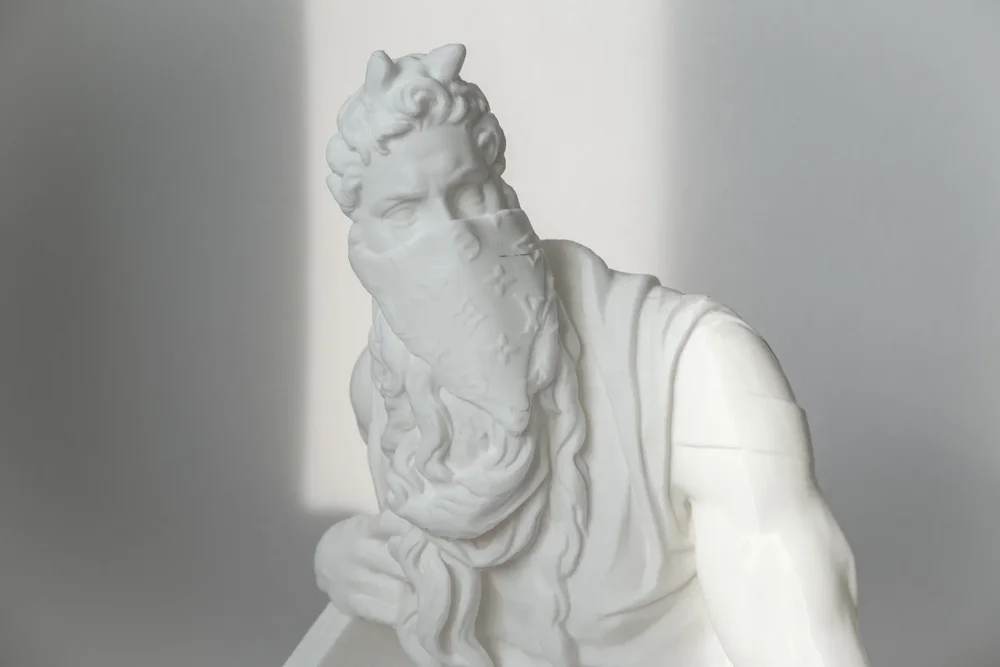
If you've seen a 3D printed figurine, planter or prototype, there's a good chance it was PLA. It's the default plastic for desktop 3D printing, and for good reason. Here's what PLA is, what Bambu Lab's PLA Basic can and can't do, and when we'd reach for something else.
Quick answer
The short answer
PLA (polylactic acid) is a plant-based plastic and the most common 3D printing material. It prints at low temperatures, holds fine detail and comes in almost any color. Bambu Lab PLA Basic is Bambu's everyday version, built to print cleanly without fiddly settings.
PLA is stiff and good-looking, but it softens with heat. Bambu rates PLA Basic's heat deflection temperature at 57°C (135°F), so it isn't for hot cars, dishwashers or outdoor summer use.
01
What is PLA filament?
PLA is made from fermented plant starches like corn or sugarcane. On a 3D printer it comes as a thin plastic strand, called filament, wound on a spool. The printer melts it and lays it down one thin layer at a time.
PLA is popular because it's forgiving. It shrinks very little as it cools, so parts stay true to shape. It doesn't need a heated enclosure. Bambu prints PLA Basic at 190–230°C (374–446°F) with the bed at just 35–45°C.
02
How strong is PLA Basic?
Stronger than most people expect. It's rigid and holds a crisp edge. The tradeoff is that it's brittle compared to tougher plastics: it tends to snap rather than bend.
| Bambu's test | PLA Basic |
|---|---|
| Tensile strength | 35 MPa |
| Bending strength | 76 MPa |
| Bending modulus (stiffness) | 2,750 MPa |
| Impact strength | 26.6 kJ/m² |
| Heat deflection temperature | 57°C (135°F) |
| Density | 1.24 g/cm³ |
For tougher parts, PLA has variants. PLA Tough+ takes much harder knocks, and PLA-CF is stiffer still. For heat and outdoor use, PETG is the usual next step. Our PETG vs PLA guide covers that choice.
03
What PLA is good for
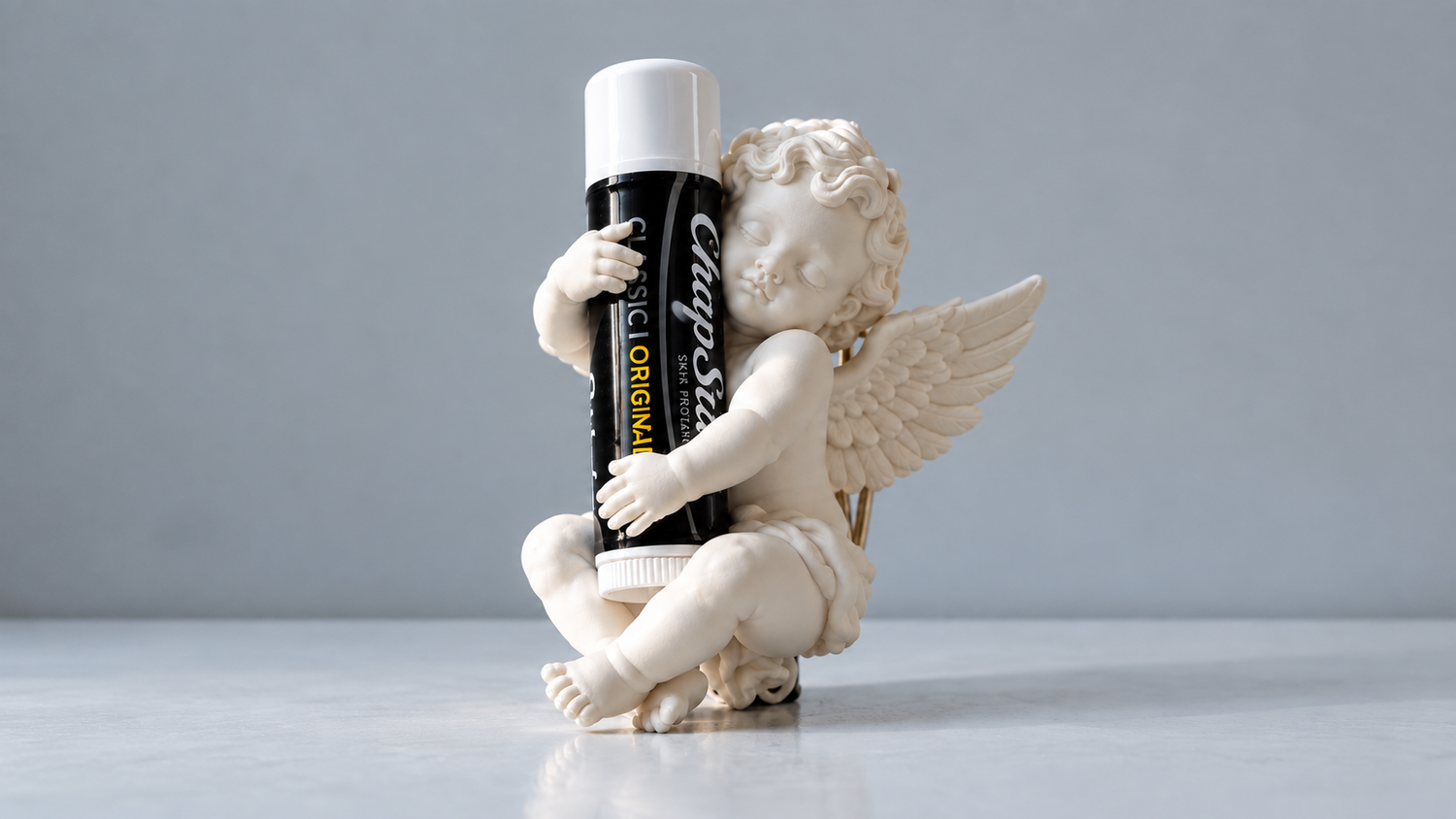
- Figurines, sculptures and display models
- Product prototypes and design mockups
- Architectural and scale models
- Cosplay props and armor pieces that won't take hard hits
- Desk organizers, signage, planters and home decor
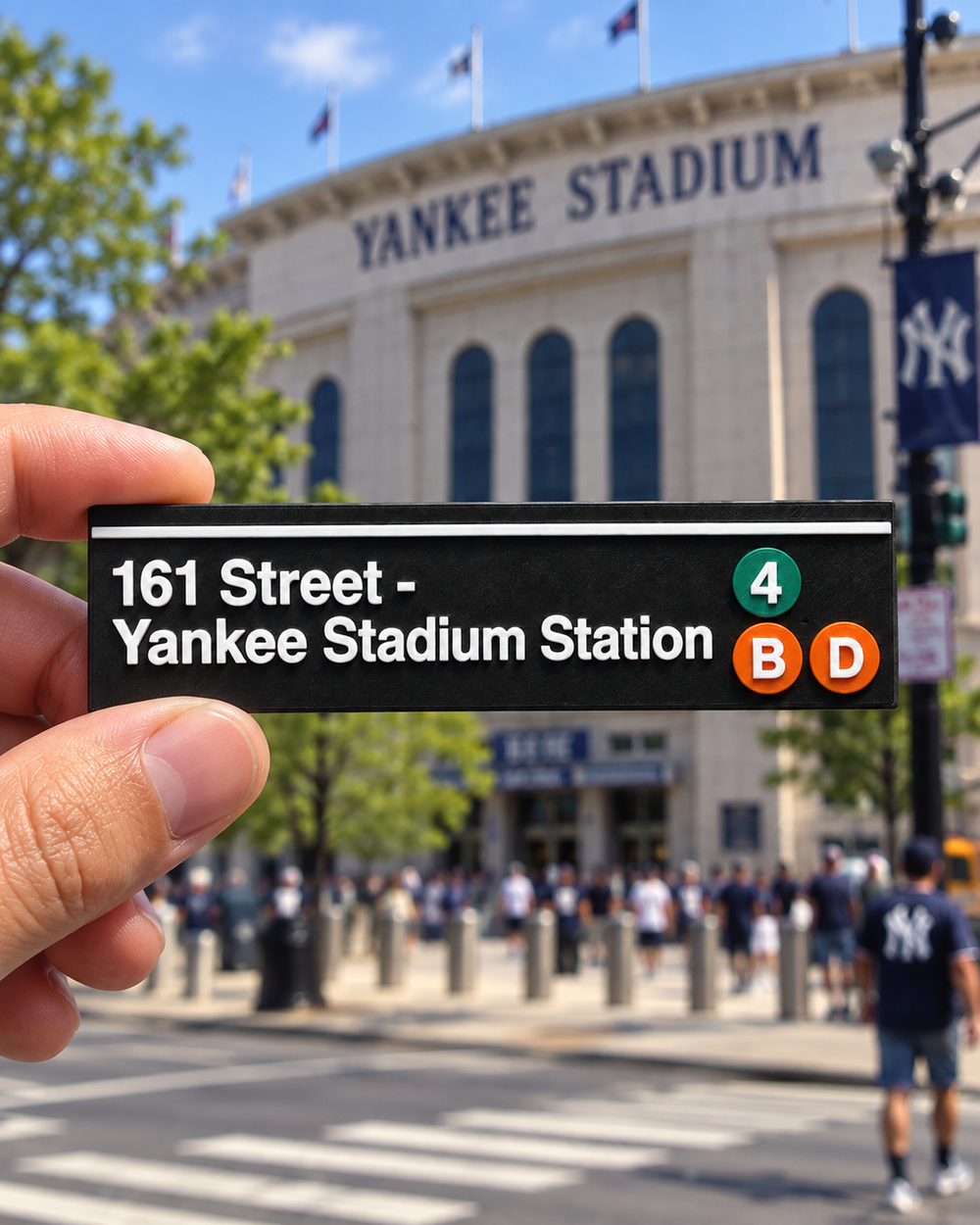
- Brand merch and small-batch giveaways
04
Limits to know
- Heat. PLA softens around 57°C (135°F). A sunny windowsill is fine; a car dashboard in July isn't.
- Brittleness. Thin clips, snap fits and parts that flex will crack over time.
- Moisture. The spool absorbs water from the air, which hurts print quality. Bambu recommends storing it under 20% humidity.
- Food contact. Standard PLA isn't certified for it. For kitchen pieces see PLA Pure.
05
PLA is a whole family
Once you know PLA, the variants make sense. They keep PLA's easy printing and change the look or the feel. PLA Matte hides layer lines. Silk PLA adds a metallic shine. PLA Translucent glows with light behind it. PLA Aero foams as it prints to save weight.
The full filament guide covers the rest.
06
PLA at IMPRESO
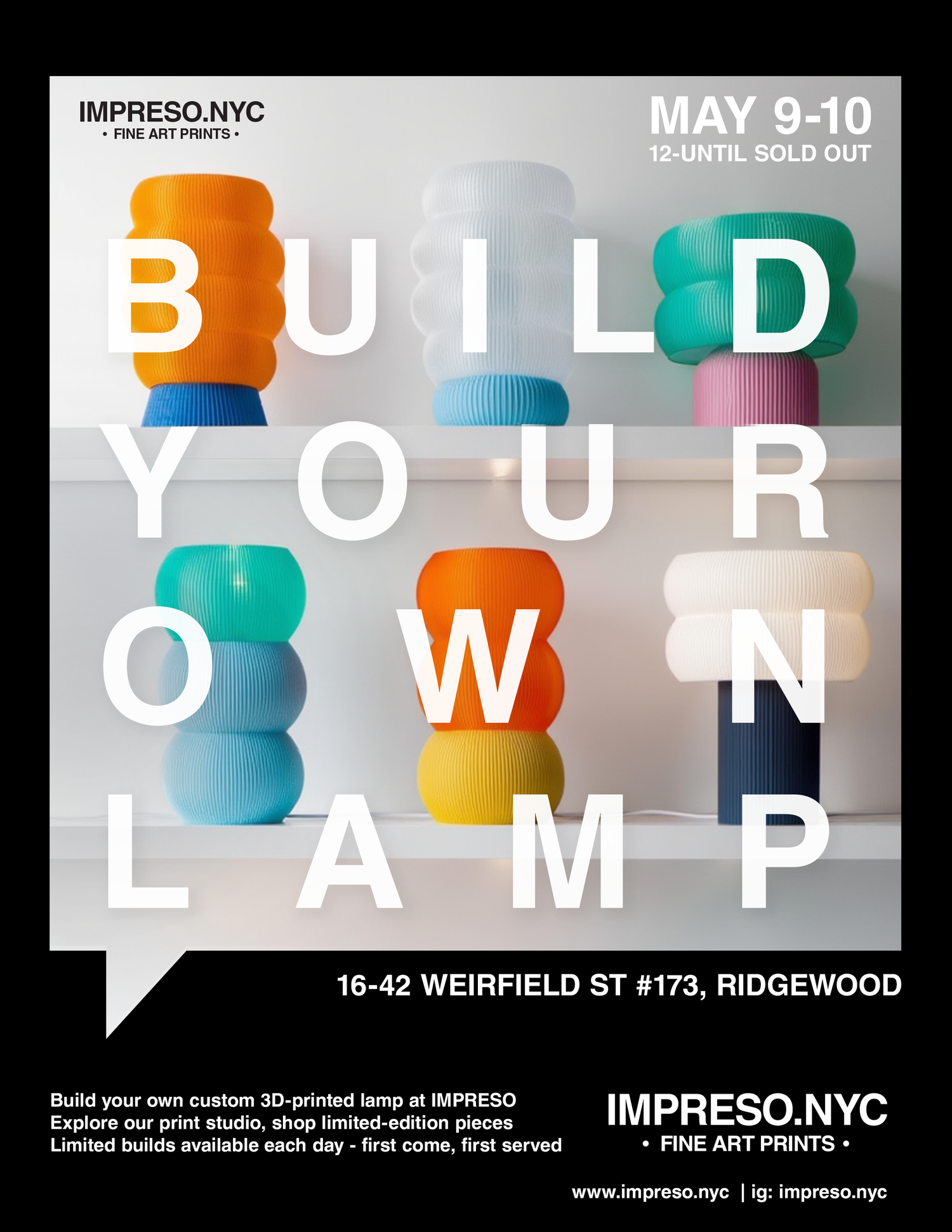
PLA Basic is the workhorse in our Ridgewood, Queens studio, and we stock many of its variants. Tell us how the piece will be used and where it will live, and we'll recommend the right material. Every job is quoted individually.
Start a 3D project
Send us your file, a sketch or just the idea, and how the piece will be used. We'll recommend a material and quote it.
Start a 3D project → See 3D printing →More guides