 Filament guide
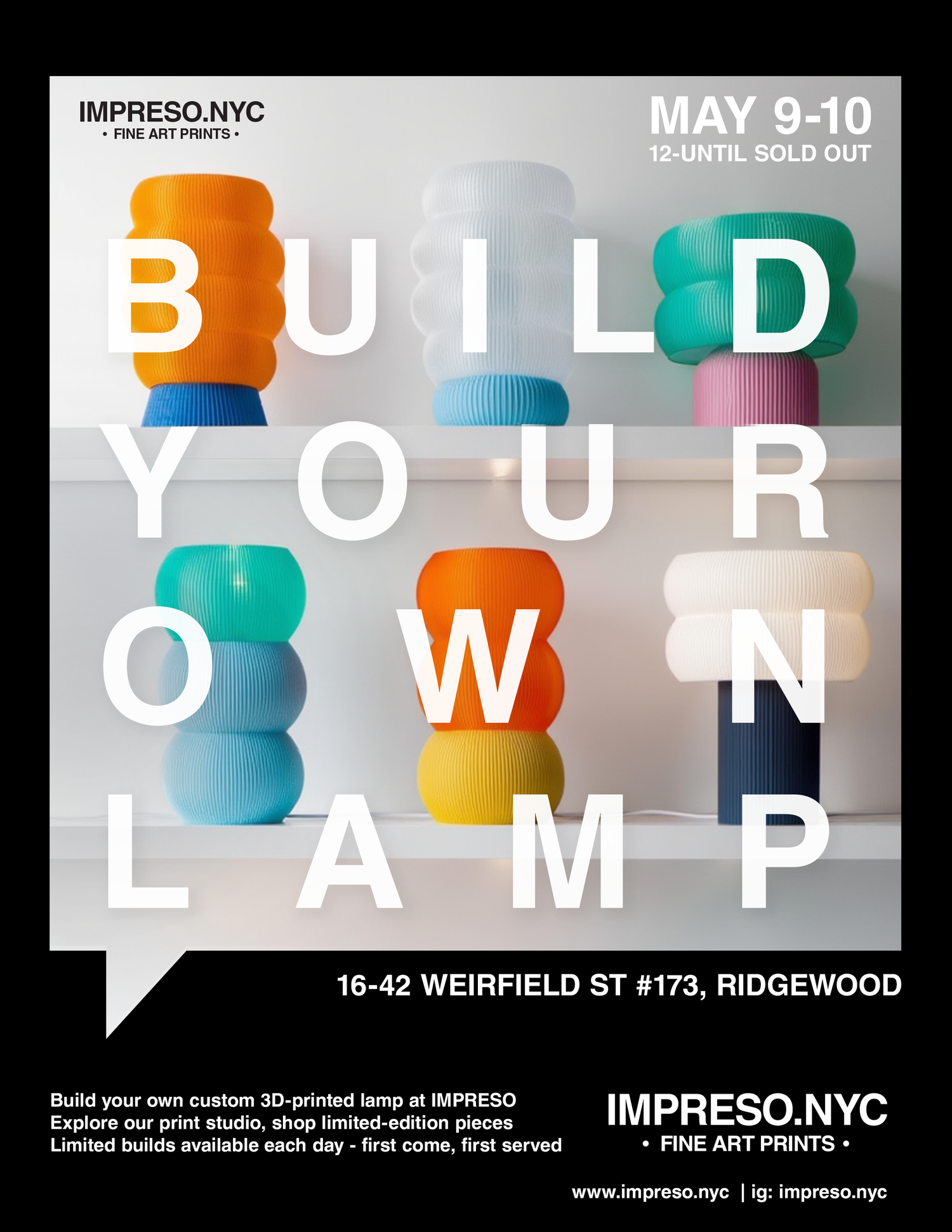
Put a light behind most prints and nothing happens. Put a light behind translucent PLA and the whole piece glows. It's one of the simplest ways to make a lamp, lantern or window piece that looks handmade. Here's what Bambu Lab's PLA Translucent is and how to get the most from it.
Quick answer
The short answer
PLA Translucent is a PLA filament that lets light pass through with a soft, frosted finish. Bambu compares the look to hand-blown frosted glass. It diffuses light rather than showing a clear view through.
It comes in 10 colors, from soft pastels to candy tones. It's made for light shades, lanterns, vases and stained-glass-style decor.
01
What is PLA Translucent?
It's PLA made without the heavy pigments that make normal filament opaque. Light enters the part, scatters inside it and comes out evenly. That gives a gentle glow instead of a hard bright spot.
Bambu says it has greater impact and aging resistance than generic translucent PLA. It also bonds with all PLA filaments, so it can be combined with opaque PLA in one print.
02
Translucent PLA vs translucent PETG
Bambu makes both. The difference comes down to frost versus clarity.
| PLA Translucent | PETG Translucent | |
|---|---|---|
| Look | Frosted, diffused glow | Clearer, more see-through |
| Ease of printing | More beginner-friendly, per Bambu | Less forgiving |
If you want an even glow, PLA is usually the better choice. If you want something closer to clear, see translucent PETG.
03
What PLA Translucent is good for
- Lamp shades and pendant lights (with LED bulbs)
- Lanterns, candle-style holders and night lights
- Vases and bowls that catch window light
- Stained-glass-style panels, suncatchers and signage
- Light-up cosplay pieces like crystals, gems and visors
- Diffusers for LED strips in displays and props
04
Limits to know
- Not glass-clear. It's frosted by design. Text or images won't read through it.
- Results vary by design. Bambu says transparency depends on size, thickness, structure and print settings. Thicker walls and dense infill block more light.
- Heat. It's still PLA. Use LED bulbs only, never incandescent or halogen, and keep it away from hot surfaces.
- Moisture. Bambu recommends storing it dry with desiccant and drying it at regular intervals, since damp filament prints cloudy.
05
Tips for designing for light
Thin, even walls glow the most evenly. Bambu's printing tips for translucent filament suggest simple shapes, a single wall and solid, straight infill where a piece needs to be thick. Complex internal structures show up as shadows when lit.
Plan the light source early. Leave room for an LED, a cable path and airflow. A short test print in the final color is worth it, because each color transmits light differently.
For a glow without a light source, see glow-in-the-dark filament.
06
PLA Translucent at IMPRESO
We print PLA Translucent in-house in our Ridgewood, Queens studio. Tell us how the piece will be lit and where it will hang or sit, and we'll recommend the right material, color and wall design. Every job is quoted individually.
Start a 3D project
Send us your file, a sketch or just the idea, and how the piece will be used. We'll recommend a material and quote it.
Start a 3D project → See 3D printing →More guides