 Filament guide
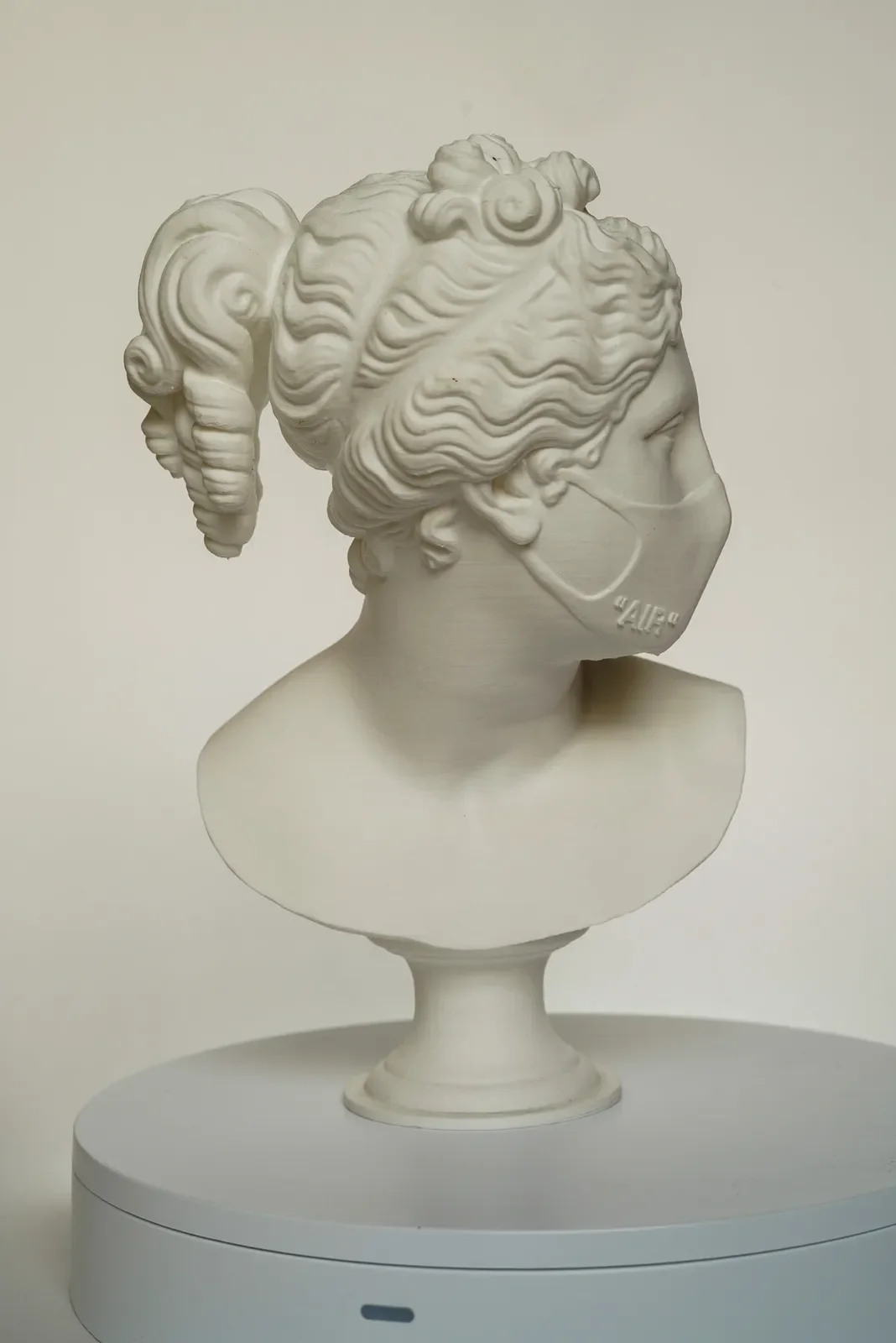
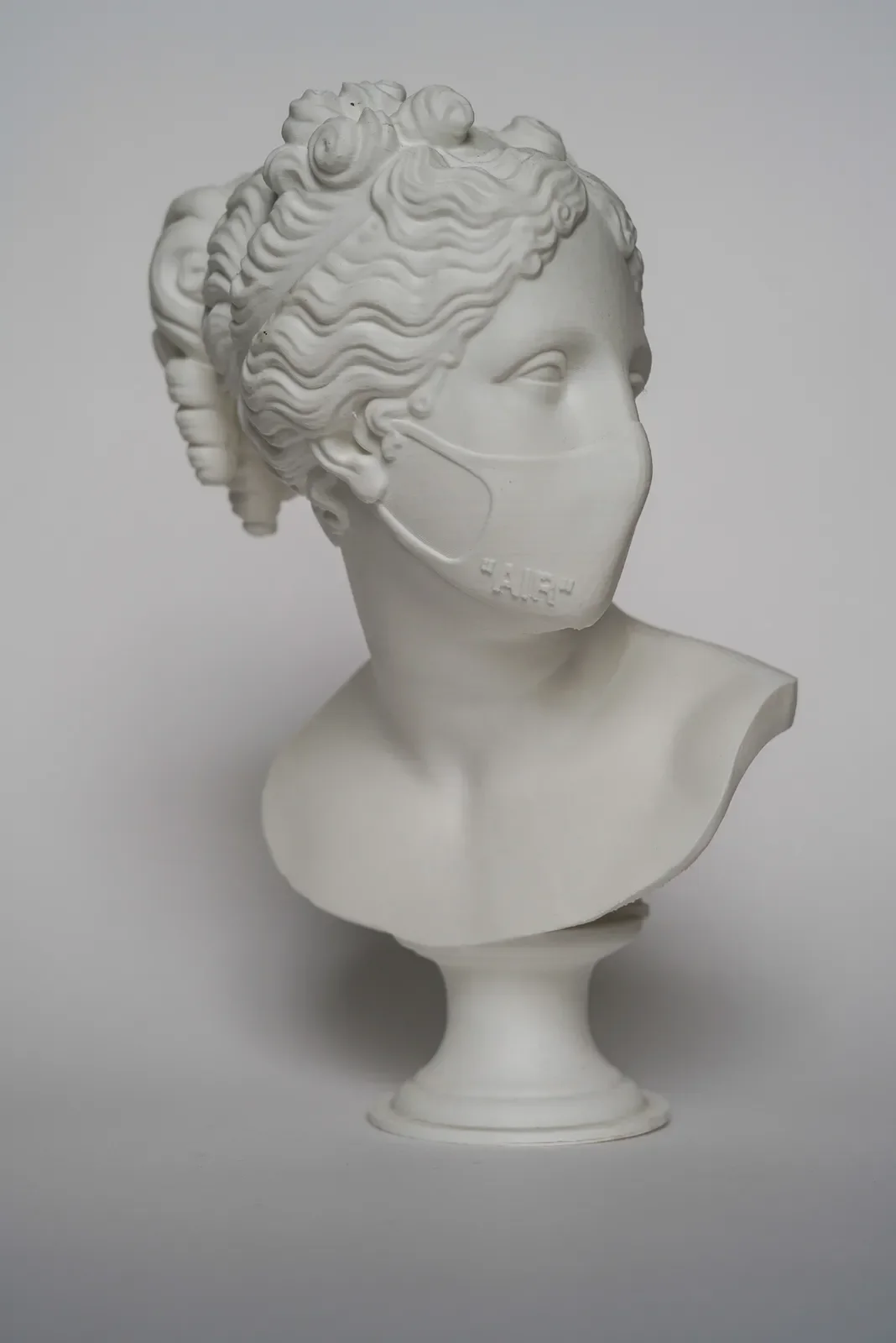
Stone is heavy, slow to carve and expensive to ship. For a vase, a bust, a planter or an architectural model, a stone look is often all you need. Marble filament prints that look straight off the printer, speckles and all. Here's what Bambu Lab's PLA Marble is and when it's the right call.
Quick answer
The short answer
PLA Marble is a Bambu Lab PLA with inorganic particles mixed in. The particles give prints a natural, stone-like texture that Bambu compares to marble, granite or brick.
The effect is built into the filament, so there's no painting or finishing needed. Strength is close to standard PLA, which makes it practical for decor and display pieces.
01
What is marble filament?
PLA (polylactic acid) is the most common 3D printing plastic, made from plant starches. Marble PLA adds fine mineral-like specks to it. The specks scatter across every layer, so the whole surface looks like speckled stone rather than smooth plastic.
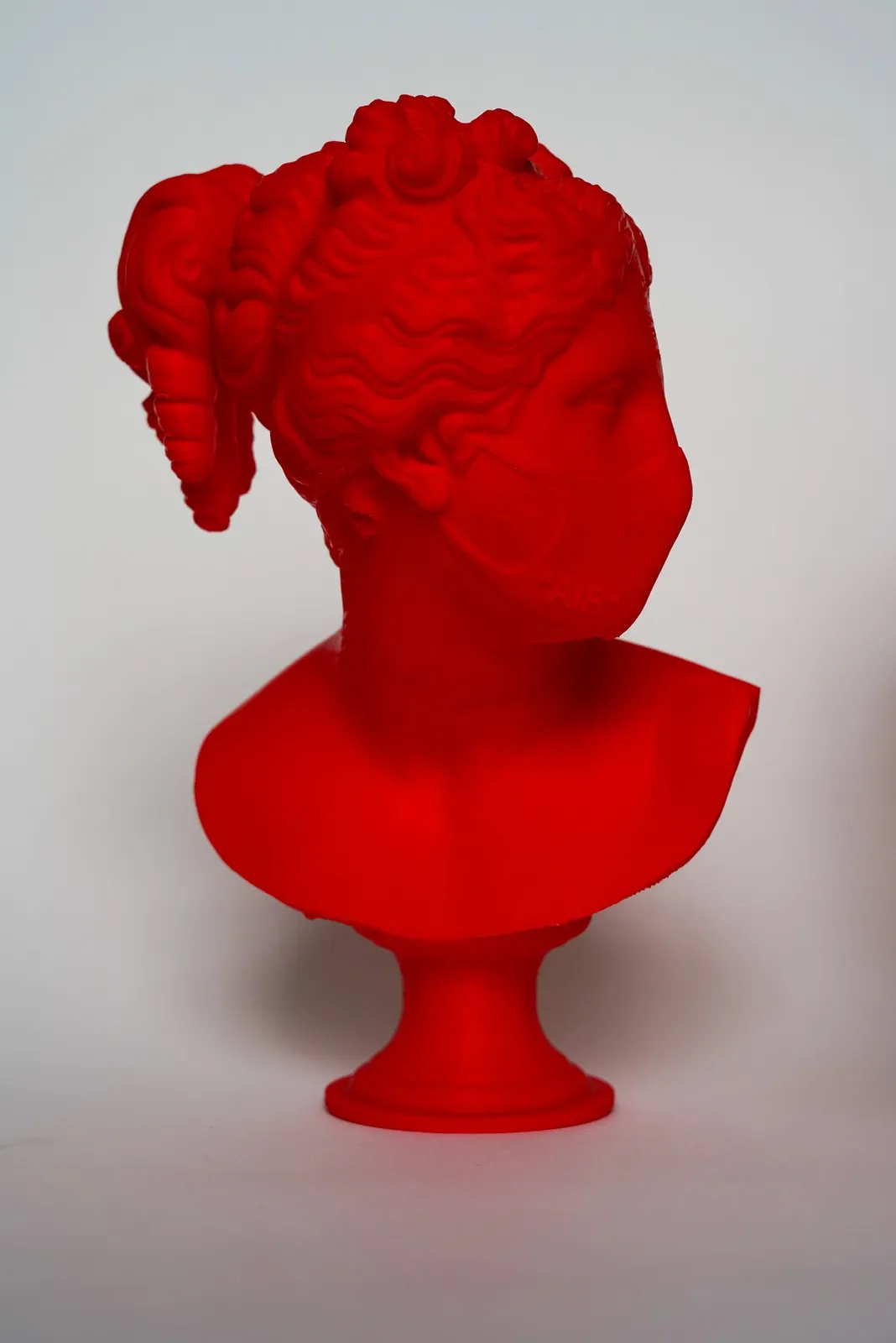
Bambu currently offers two colors: White Marble and Red Granite, a warm terracotta-red. The texture also helps hide layer lines.
02
How does it compare to regular PLA?
In Bambu's tests, PLA Marble holds up close to PLA Basic. It's about as strong in bending and slightly stiffer, with a bit less tensile and impact strength.
| Bambu's test data | PLA Basic | PLA Marble |
|---|---|---|
| Tensile strength | 35 MPa | 33 MPa |
| Bending strength | 76 MPa | 75 MPa |
| Bending modulus (stiffness) | 2,750 MPa | 2,920 MPa |
| Impact strength | 26.6 kJ/m² | 24.0 kJ/m² |
| Heat deflection temp. | 57°C (135°F) | 56°C (133°F) |
The takeaway: you're not trading much strength for the look. Heat resistance is standard PLA, so keep pieces indoors and away from heat. For more on the base material, see what PLA filament is.
03
What PLA Marble is good for
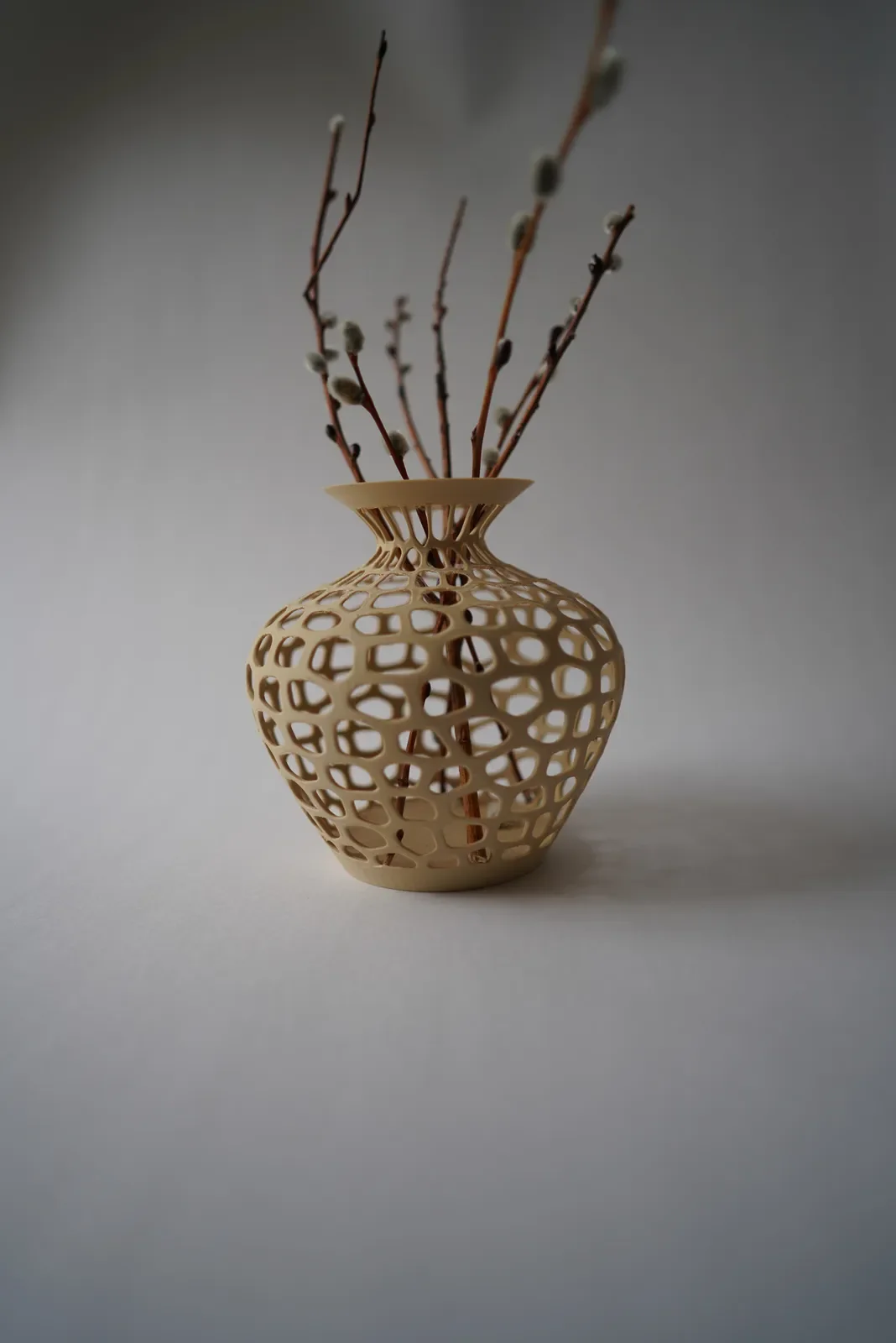
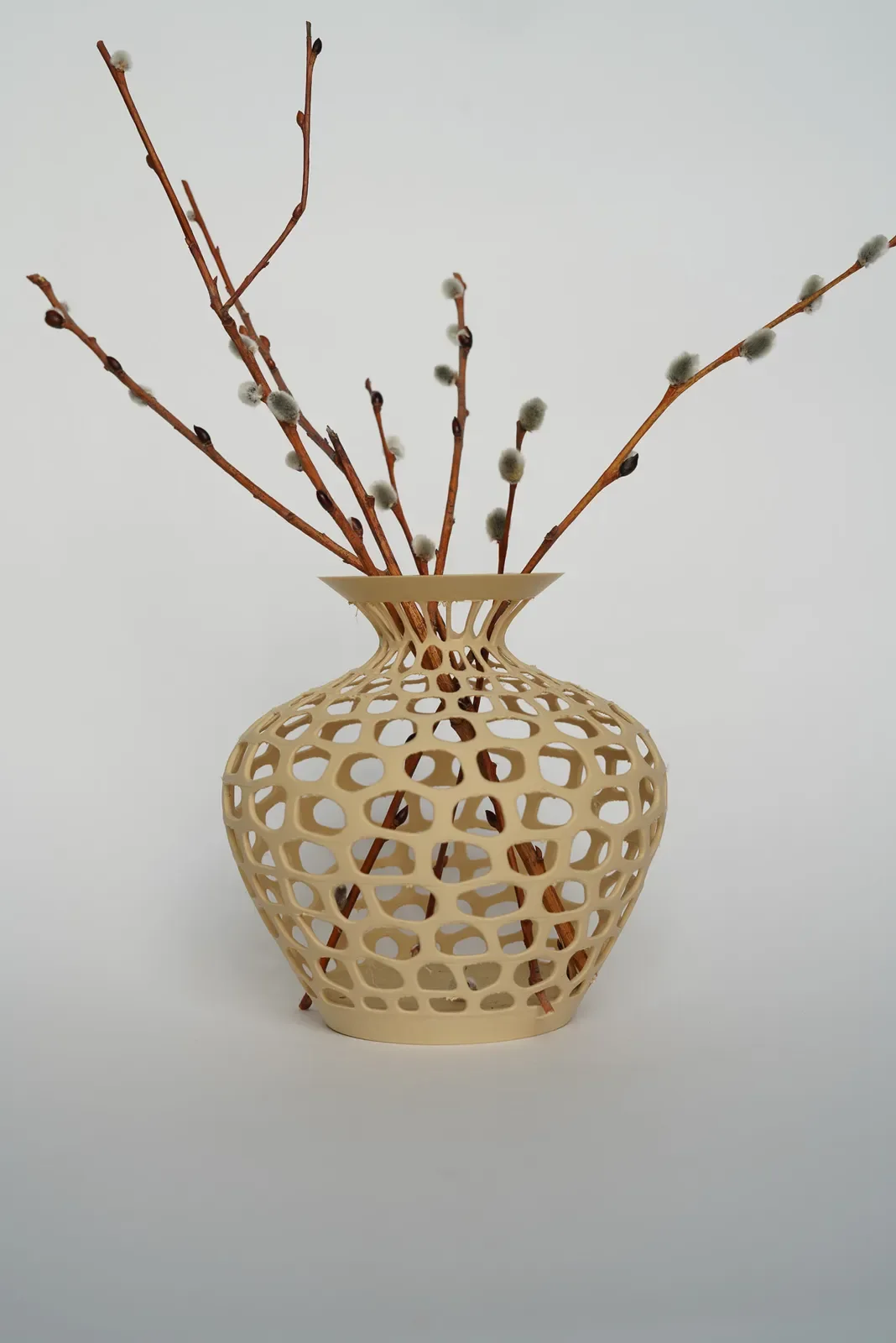
- Vases, planters and plant pots (for dry arrangements or with a liner)
- Busts, sculptures and classical-style figurines
- Architectural and interior design models
- Brick and stone details for dioramas, tabletop terrain and props
- Coasters, bookends, trays and home decor
- Display stands and plinths for products or artwork
04
Limits to keep in mind
- It's not stone. It looks like marble but weighs and feels like plastic.
- No ultra-fine detail. Bambu says a 0.2 mm nozzle isn't compatible with PLA Marble. Tiny text and hairline features are limited.
- Heat and sun. It softens around the same point as other PLAs. Not for hot cars or outdoor sun.
- Two colors. If you need black marble or another stone, a painted finish or a different material may be the better route.
05
Tips for designing for marble PLA
- Favor bold forms. Large, simple surfaces show off the speckle better than busy detail.
- Use it for bases. A marble plinth under a metal PLA or silk PLA figure looks like a finished museum piece.
- Plan for weight if needed. For bookends or doorstops, we can design a hollow to fill with weight.
- Line anything for water. Printed parts have tiny gaps between layers, so use an inner pot or liner for live plants.
06
Marble filament at IMPRESO
We print PLA Marble in-house at our Ridgewood, Queens studio. Tell us how the piece will be used and where it will live, and we'll recommend the right material and color. Every 3D job is quoted individually.
Start a 3D project
Send us your file, a sketch or a reference photo. We'll suggest a finish and quote it.
Start a 3D project → See 3D printing →More guides